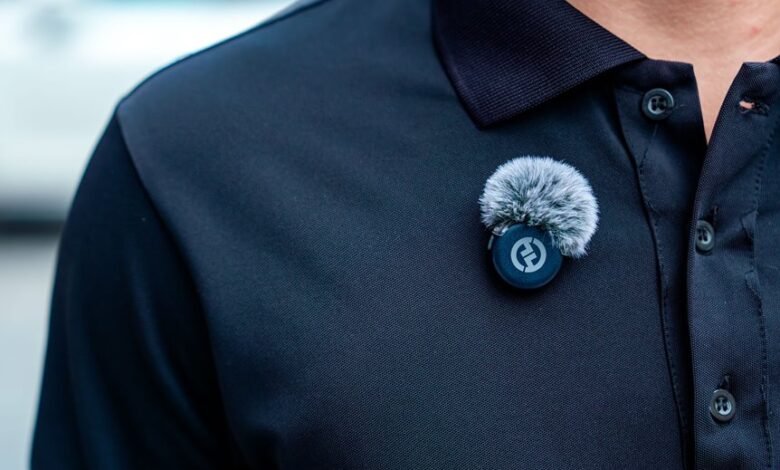
Placement decisions should prioritize natural, intelligible sound over pristine studio tone. The mic should be clipped at a point that preserves warmth without drawing attention or causing pops from movement. Consider clothing, fabric noise, and wind protection as ongoing constraints. Maintain a stable distance and monitor gain, then verify with quick checks and subtle angle tweaks. A simple pattern of tests reveals persistent issues, inviting further refinement to keep the dialogue clear and consistent.
Define the Goal: Natural Sound Over Studio Perfection
The goal is to capture a natural, authentic sound rather than achieve studio-perfect polish. The approach prioritizes natural balance and practical clarity over pristine tone. Clip visibility is minimized through placement, movement management, and interference avoidance. Quick checks and on the fly tweaks support consistent results, while troubleshooting patterns guide fast fixes and iterative refinements in real-world conditions.
Pick Clip Points That Balance Voice Tone and Visibility
Choosing clip points requires balancing voice tone with visibility: set positions that preserve natural timbre while minimizing foil noise, proximity effects, and mic conspicuity.
The clip point should maintain a clean visibility rhythm without introducing artifacts; select a clip point that harmonizes warmth and articulation.


Consistent clip point placement supports repeatable visibility rhythm and predictable tonal response.
Tackle Movement, Clothing, and Interference in Real-Life Settings
Tackling movement, clothing, and interference in real-life settings requires systematic mitigation across audio capture, wardrobe choices, and environment. The discussion emphasizes motion dynamics and consistent mic position to minimize pops and rustle. Wardrobe noise is mitigated by fabric type and clip placement, while shielding and careful cabling reduce interference. Precise monitoring ensures stable gain and intelligibility.
Quick Checks and On-the-Fly Tweaks for Interviews and Lectures
Quick checks and on-the-fly tweaks for interviews and lectures focus on rapid, repeatable verifications of mic placement, gain, and environment to sustain intelligibility during live or semi-live sessions.
Clip placement remains constant with minor angle adjustments; wind handling is verified via short bursts and windscreen position.
Small, repeatable checks ensure consistent levels, minimal plosive impact, and clear articulation without disrupting flow.
Troubleshooting Patterns: Common Problems and Fast Fixes
Troubleshooting patterns for lavalier mics focus on identifying typical fault modes and applying rapid, repeatable fixes to restore intelligibility. Common problems include inconsistent audio gain, cable noise, and wind intrusion. Solutions emphasize stable gain staging, proper wind protection, and secure clipping. Detailing quick checks and repeatable actions enables precise reassessment, minimal downtime, and preserved subject freedom of movement.
Frequently Asked Questions
How Do Lavaliers Affect Mic Proximity Effects and Plosives?
Lavaliers exhibit minimal proximity effect when positioned midway between mouth and chest; closer placement increases bass build-up, while distant placement reduces it. Plosive management hinges on windscreen use and mic orientation, reducing sibilance and thump without sacrificing clarity.
What Clothing Types Cause Most Rustle With Lav Mics?
Certain clothing types produce the most rustle with lav mics: tightly woven fabrics and coarse textures. Fabric textures increase friction against the mic skin contact, amplifying movement noise. Subtle fabrics reduce rustle, preserving quiet, unobtrusive capture.
How to Hide Lav Mics Without Impacting Sound Quality?
Low profile placement is essential; discreet concealment should prioritize fabric, seams, and apparel structure. The goal is minimal rustle, preserved gain, and stable proximity, allowing freedom of movement without audible artifacts or mic visibility, while maintaining consistent frequency response.
Which Wireless Systems Best Minimize Hiss or Interference?
Which wireless systems minimize hiss and interference reduction, improving system performance, are defined by robust RF design, adaptive scanning, and synchronized PLLs; they maintain clear audio, stable modulation, and high headroom, enabling freedom in dynamic environments.
How to Prevent Wind Noise Indoors and Outdoors?
Wind noise can be mitigated with proper wind management and mic proximity. Some fear indoors is trivial, yet it’s real. Two word discussion ideas: wind management, mic proximity. The technique remains precise, concise, and technically oriented for freedom-seeking audiences.
Conclusion
In sum, placement aims for natural sound with minimal drama: a clip point chosen for tone, visibility, and discipline, not flair. The mic should stay steady despite movement, fabric noise, and the occasional wardrobe hiccup, while remaining controllable via gain checks and wind protection. Practitioners perform quick, tactile checks, then fine-tune angles—never surrender to fashion or friction. Ironically, the simplest choice—where the mic sounds best—often requires the most elaborate pretense of invisibility.