Market Dynamics Overview for 20228222, 253009915, 8007764737, 2103507510, 659987040, 910502831

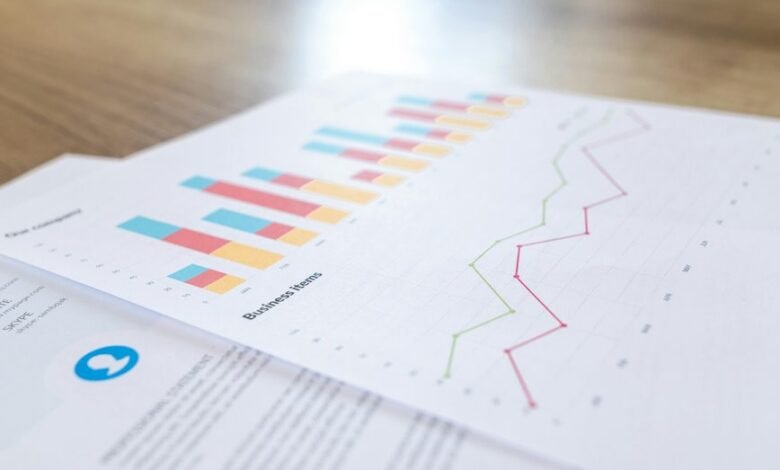
The market dynamics of 20228222 reveal critical shifts driven by consumer preferences and technological innovations. Personalized offerings are increasingly in demand, pushing businesses to rethink their strategies. Concurrently, competitive forces are reshaping sectors, emphasizing product differentiation and innovative pricing. These developments present both challenges and opportunities for stakeholders. Understanding these trends is essential as they navigate a complex economic landscape, prompting further exploration into their potential impacts.
Key Identifiers and Their Significance in Market Dynamics
Key identifiers play a crucial role in understanding market dynamics, serving as essential metrics that reflect the underlying health and trends of an economy.
Effective market segmentation strategies hinge on these identifiers, allowing businesses to tailor offerings to diverse consumer preferences.
Additionally, consumer behavior analysis provides insights into purchasing patterns, enabling companies to adapt and thrive in a rapidly evolving marketplace, fostering greater economic freedom.


Trends Influencing Supply and Demand
Understanding the nuances of market dynamics requires an examination of the trends influencing supply and demand.
Recent shifts in consumer behavior, driven by evolving preferences and technological advances, have significantly impacted the supply chain.
These changes compel businesses to adapt their strategies, ensuring efficient resource allocation and inventory management, ultimately shaping the delicate balance between supply and demand in various markets.
Competitive Forces Shaping Various Sectors
As industries evolve, the competitive forces at play within various sectors increasingly dictate strategic decision-making and market positioning.
Industry rivalry intensifies as companies implement innovative pricing strategies and product differentiation to capture greater market share.
Technological advancement further influences consumer behavior, compelling businesses to adapt swiftly, ensuring they remain relevant and competitive in a rapidly changing landscape.
Implications for Business Owners and Investors
While navigating the complexities of market dynamics, business owners and investors must recognize that shifts in competitive forces can significantly impact their strategic choices and financial outcomes.
Effective business strategies should integrate robust risk management practices and agile market forecasting to identify investment opportunities. By understanding these dynamics, stakeholders can adapt to change, ensuring sustainable growth and informed decision-making in an unpredictable landscape.
Conclusion
In the ever-evolving landscape of 20228222, businesses must navigate a turbulent sea of change, where consumer preferences and technological advancements act as shifting tides. To remain buoyant, stakeholders must adeptly adjust their strategies, embracing personalization and innovation as lifelines. By understanding and responding to the dynamic interplay of supply, demand, and competitive forces, business owners and investors can not only survive but thrive, turning potential challenges into opportunities for growth and resilience in an unpredictable economy.