Data Analysis Dashboard: 4436028540, 642373468, 931772391, 8339322075, 693119767, 120946760

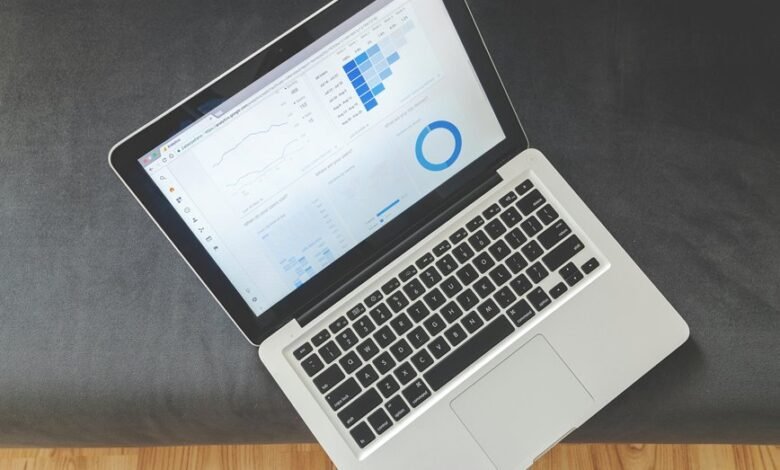
The Data Analysis Dashboard, marked by identifiers like 4436028540 and 642373468, represents a significant advancement in data visualization and interpretation. Its design facilitates the exploration of complex datasets, allowing analysts to discern trends and anomalies effectively. This tool’s capabilities extend beyond mere data presentation, influencing decision-making across various sectors. However, the true extent of its impact and the specific applications within industries merit a closer examination.
Understanding the Unique Identifiers in Data Analysis
Unique identifiers serve as the cornerstone of data analysis, providing a method to distinguish and track individual data points within a dataset.
Their identifier significance lies in enabling analysts to identify unique patterns and trends that inform decision-making.
Key Features of the Data Analysis Dashboard
The effectiveness of a data analysis dashboard hinges on its key features, which are designed to enhance the user’s ability to interpret and manipulate data efficiently.


A streamlined user interface promotes intuitive navigation, while robust data integration capabilities ensure seamless connectivity across various data sources.
These elements together empower users to derive meaningful insights, fostering a more liberated approach to data exploration and analysis.
Enhancing Decision-Making With Visual Insights
When organizations leverage visual insights from data analysis dashboards, they significantly enhance their decision-making processes.
Visual data representation facilitates comprehension of complex information, allowing stakeholders to identify trends and anomalies swiftly.
Additionally, interactive analytics empower users to engage with data dynamically, fostering a deeper understanding of underlying patterns.
This combination ultimately leads to more informed, agile decisions that support organizational freedom and adaptability.
Case Studies: Real-World Applications of the Dashboard
Case studies illustrate the transformative impact of data analysis dashboards across various industries. Organizations utilize these tools for real-time monitoring, enabling swift responses to market changes.
Enhanced user engagement has been observed, as stakeholders access intuitive insights that drive decision-making. From retail to healthcare, dashboards empower teams to analyze performance metrics, fostering a culture of data-driven innovation and operational efficiency.
Conclusion
In summary, the Data Analysis Dashboard, equipped with unique identifiers, serves as a beacon for organizations navigating the complexities of data. By leveraging its key features, users can turn raw information into visual insights that inform critical decisions. Case studies illustrate the dashboard’s real-world impact, demonstrating that when it comes to data-driven strategies, having the right tools can be the difference between hitting the bullseye and missing the mark entirely. Embracing this technology is essential for future success.