Identifier & Network Audit – 3509176938, What Type of Dyeowokopizz, Ziikazhel Tompuriz, ioprado25, 3271081656

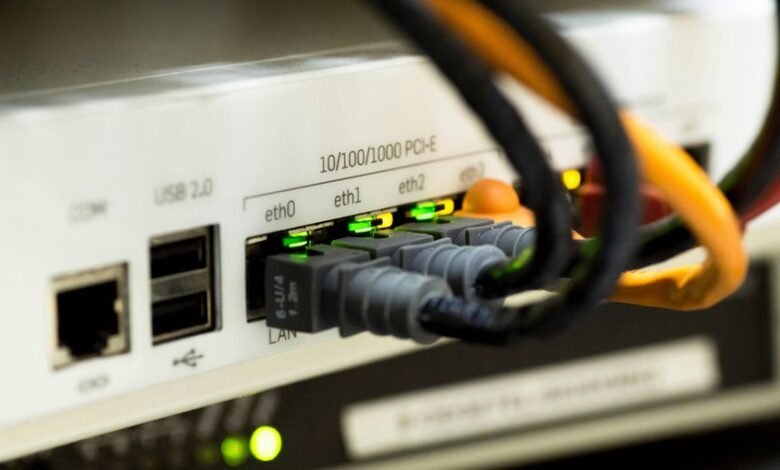
An identifier and network audit frames how labels like 3509176938, ioprado25, and 3271081656 map to objects, contexts, and interactions within a structured governance model. The approach emphasizes traceable labeling, data provenance, and reproducible collection to curb scope creep. Evidence-driven patterns emerge through disciplined data collection, anomaly detection, and transparent reasoning. The framework supports risk-aware decisions while protecting privacy. The next steps require careful methodical implementation to reveal underlying structures and tensions that shape network insights.
What Identifier & Network Audit Really Are: Foundational Concepts
Identifier and network audits establish a structured framework for evaluating the components, configurations, and interactions within digital systems. This examination clarifies core concepts, preserves objectivity, and supports informed decision making.
Foundational concepts emphasize Identifying scope and Defining boundaries, ensuring comprehensive assessment while avoiding scope creep. The approach remains evidence-based, methodical, and transparent, aligning with a freedom-minded audience seeking reliable, reproducible results.
Decoding the Elements: 3509176938, ioprado25, and Other Identifiers in Practice
Decoding the Elements: 3509176938, ioprado25, and Other Identifiers in Practice examines how distinct identifiers function within digital ecosystems, mapping each label to its associated object, context, and interaction patterns. The analysis emphasizes decoding identifiers, practical labeling schemes, and traceability within networks.


Findings underscore disciplined network audit data collection practices, highlighting iterative refinement and pattern discovery to ensure transparent, freedom-supporting accountability across systems.
Audit Methodology: From Data Collection to Pattern Discovery
Audit methodology begins with a structured framework that links observed identifiers to their operational contexts, enabling consistent data collection and traceable analysis. The approach emphasizes data ethics, documenting provenance, consent, and governance while preserving privacy. Systematic anomaly detection identifies deviations from baseline patterns, guiding hypothesis formation. Findings are validated through reproducible checks, ensuring robust interpretation and transparent reasoning for diverse, freedom-valuing audiences.
Practical Framework: Tools, Workflows, and Risk Mitigation in Real-World Networks
Practical frameworks for real-world networks hinge on integrating targeted tools, disciplined workflows, and proactive risk controls to sustain accurate identification and auditing of operational identifiers. The approach emphasizes data provenance and transparent traceability, enabling reproducible results.
Emphasis on risk prioritization guides resource allocation, incident response, and continuous improvement, while standardized checks deter drift, unauthorized changes, and hidden correlations across heterogeneous environments for resilient, auditable outcomes.
Frequently Asked Questions
What Is the Origin of the Terms Dyeowokopizz and Ziikazhel Tompuriz?
The origin terms remain unresolved; etymology origin cannot be established from available data. The terms show no verifiable lineage, thus the etymology origin is speculative, lacking corroborated historical evidence, and warrants cautious interpretation by observers seeking freedom.
How Do Anonymized Identifiers Differ From Persistent Identifiers in Networks?
Anonymized identifiers conceal individual attributes but retain re-identification risk; persistent identifiers remain linkable across sessions. In network privacy terms, anonymized identifiers reduce traceability, while persistent identifiers support longitudinal audits; identifier taxonomy clarifies audit findings and risk profiles.
Can Non-Technical Users Understand Identifier Taxonomy Without Training?
Non technical audience can grasp basic identifier taxonomy with practical training; audit terminology clarifies concepts, reduces ambiguity, and supports informed decisions, though complexity requires progressive, evidence-based explanations, ensuring accessibility while preserving analytical rigor for informed freedom.
What Legal Implications Accompany Audit Findings on Compromised Identifiers?
“Open the door” – audit findings on compromised identifiers trigger legal exposure for entities, including breach notification, possible regulatory penalties, and obligations to prove due care; ethical auditing and privacy implications demand rigorous incident containment and documentation.
How Do You Verify the Authenticity of Third-Party Identifiers?
The authenticity of third-party identifiers is verified through Nontechnical overview and Compliance fundamentals, emphasizing data provenance, cryptographic attestations, and independent audits. Evidence-based practices ensure transparent validation, enabling freedom while maintaining rigorous, verifiable identity controls and risk-aware governance.
Conclusion
In sum, identifier and network audits illuminate how labels travel through systems, revealing provenance, context, and interaction patterns with precision. The methodology binds data collection, pattern discovery, and governance into a reproducible workflow, reducing scope drift and elevating decision quality. Like a well-tuned compass, the framework directs attention to anomalies and risk without overstepping privacy boundaries. Thorough evidence-based practices thus transform raw identifiers into trustworthy, actionable insights for continuous improvement.